Tigerfish Security Breach Exposes Sensitive Data Online
A transcription firm, Tigerfish, inadvertently left internal data, including police interviews and client invoices, accessible online due to misconfigured cloud storage, highlighting risks of inadequate security measures.
Exposure of Sensitive Data by Tigerfish
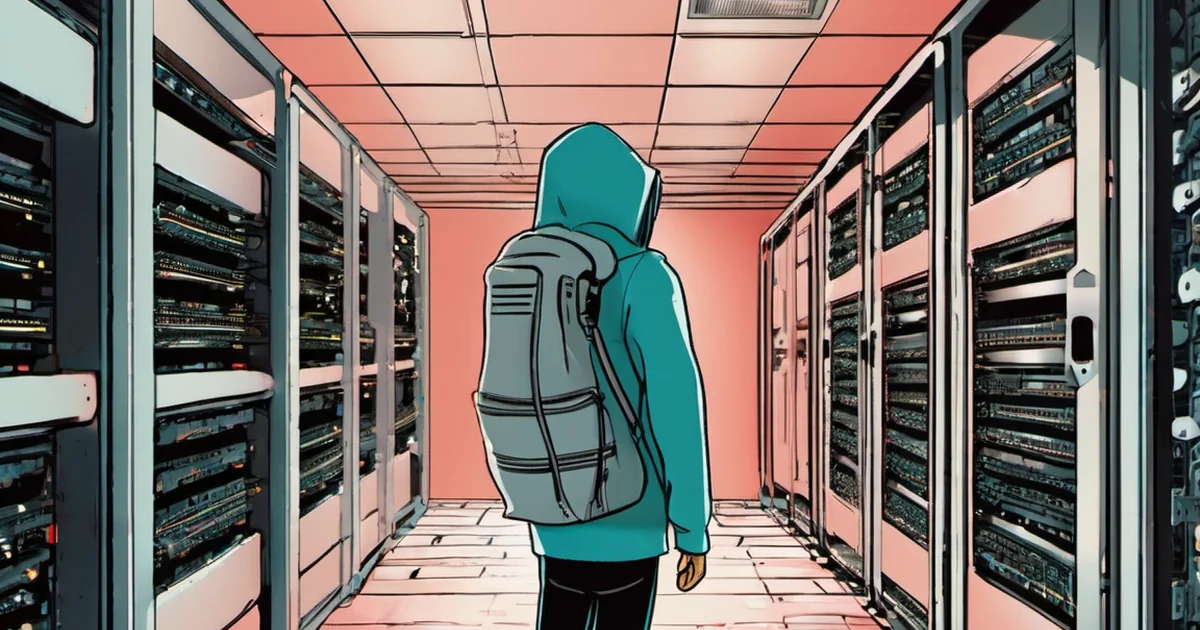
A transcription firm that provides services to law enforcement, government agencies, and major tech companies has addressed a significant security breach. Tigerfish, based in San Francisco, inadvertently left a substantial amount of internal data accessible online, including customer transcriptions and source materials. According to reports, the data security lapse exposed transcriptions of police interviews, body-cam footage, and raw audio and video files from customers. Additionally, the breach included invoices from the company’s clients, which encompass police departments and prosecutors’ offices. The incident highlights the risks associated with mishandling sensitive data and underscores the need for robust security measures in industries that deal with confidential information. The firm has since taken steps to resolve the issue, though the full extent of the exposure remains unclear.
Discovery and Notification of the Security Lapse
Discovery and Notification of the Security Lapse began when Anurag Sen, a security researcher, identified files hosted on an Amazon S3 cloud server that were accessible via an easy-to-guess web address, requiring no passwords [TechCrunch]. Sen found the exposed data online in October and promptly informed the company, but received no response [TechCrunch]. Given Sen’s history of uncovering sensitive information, the source of the leak and the data were verified, and Tigerfish was contacted [TechCrunch]. This incident highlights the risks of inadequate security measures and the importance of timely communication between researchers and organizations.
Broader Implications of Data Exposure
The broader implications of this data exposure highlight the risks associated with both human error and evolving technological capabilities. As noted by Sen, many data leaks stem from basic misconfigurations or simple mistakes, rather than sophisticated attacks. This aligns with findings that even minor oversights in security settings can lead to significant breaches. In response, platforms like Lovable and Supabase have implemented stricter measures to prevent accidental data exposure, similar to Amazon’s approach with S3 buckets. These changes reflect a growing awareness of the need for user-friendly safeguards. However, the incident also raises concerns about how AI tools may be used to identify and exploit such vulnerabilities more efficiently. While these platforms aim to reduce human error, the increasing complexity of systems continues to pose challenges for secure data management.
Anurag Sen's Background and Methodology
Anurag Sen, a 30-year-old researcher, has spent the past decade identifying sensitive datasets exposed online and notifying the relevant organizations. His work involves scanning the web daily using automated tools and specialized search engines to uncover databases, cloud storage, and other information that should be protected but is left vulnerable. Sen emphasizes that the modern web operates on a foundation of trust, assuming that data is kept secure. His methodology highlights the risks of over-reliance on this trust, as exposed data can be accessed by anyone with internet access. Sen’s efforts aim to raise awareness about the importance of securing sensitive information and the potential consequences of failing to do so.
Response and Resolution of the Leak
Soon after making contact, Tigerfish secured its exposed S3 cloud bucket. However, the incident has raised concerns about the broader implications of leaving sensitive systems and databases “wide open to the public internet without a password,” as noted by one expert. The leak highlights the risks associated with inadequate cybersecurity measures, particularly for organizations handling sensitive data. While the immediate response focused on securing the exposed data, the long-term resolution will depend on implementing stronger access controls and regular security audits. The incident underscores the need for organizations to prioritize data protection, especially when dealing with information that could be exploited by malicious actors. The expert emphasized that the real crisis lies not just in the breach itself, but in the systemic vulnerabilities that allowed it to occur in the first place.
Sources and reporting notes
Based on published source material. No independent hands-on testing is claimed.