World Models Transform Robotics, Gaming, and Labor Markets
World models, which simulate physics using visual inputs, are advancing robotics, autonomous vehicles, and video games while reshaping data collection and labor demands.
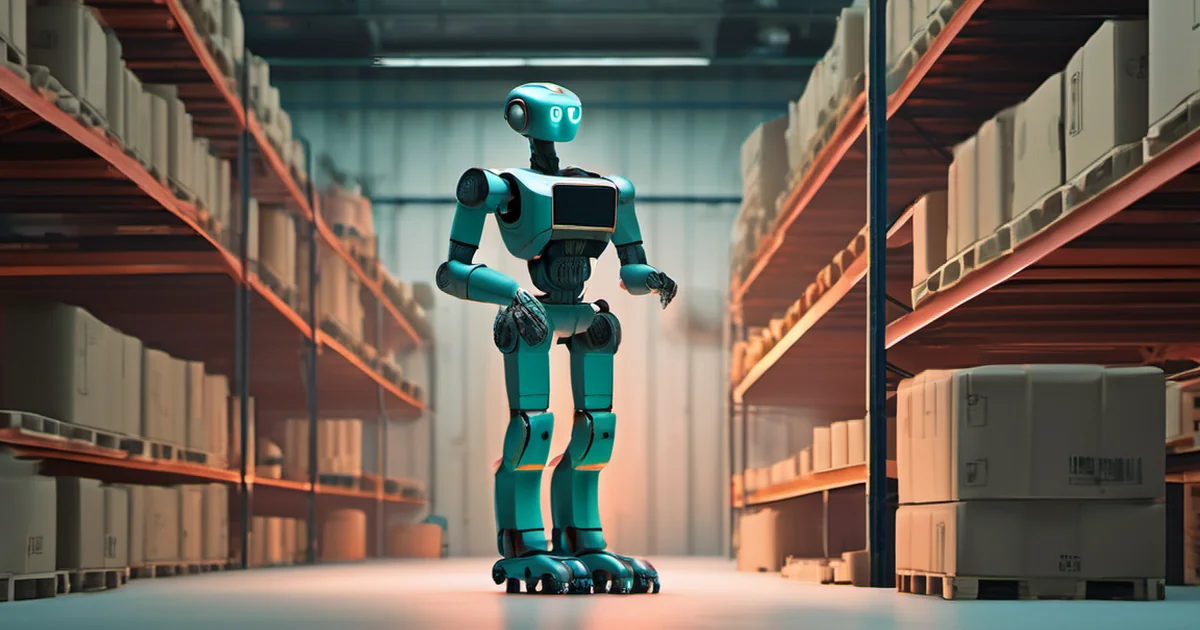
World Models and Their Applications in Robotics and Autonomous Vehicles
World models, which use visual inputs to generate digital environments that simulate physics, are becoming increasingly important in robotics and autonomous vehicles. These models allow robots and driverless cars to practice in virtual settings without needing physical movement or real-world environments. According to Jamie Shotton, chief scientist at Wayve, a world model must understand physics, cause and effect, and how other objects and people respond to actions taken within the environment. This capability is crucial for both humanoid robots and driverless cars, as it enables them to anticipate and react to real-world scenarios. As 2027 approaches, the expansion of home robotics and driverless cars is expected to accelerate, driven by advancements in world models. Beyond robotics, developers are also exploring the potential of world models in video games, indicating a broader range of applications for this emerging technology.
The Role of World Models in Video Games and AI Development
The role of world models in video games and AI development is rapidly evolving. Developers are exploring how these models could transform gaming experiences by enhancing physics and 3D rendering, with companies like Tencent investing heavily in their own world models. Large AI firms, such as Google, are also highlighting advancements in this area. Notably, Fei-Fei Li, a renowned Stanford computer scientist, founded World Labs in 2024, which AMD acquired for over $8 billion this year. Beyond entertainment, world models are influencing the labor market, as AI labs require real-world data to simulate our physical environment. This shift underscores the growing importance of world models in shaping both digital and real-world applications.
The Impact of World Models on Labor and Data Collection
World models are reshaping the labor market in ways that may not be immediately obvious. Even if individuals avoid technologies like autonomous vehicles or domestic robots, these systems are already influencing job markets by requiring real-world data collection. AI labs need human input to simulate physical environments accurately, leading to an increase in gig work focused on data gathering. As companies continue to refine world models, more opportunities—and demands—for this type of labor are expected. For instance, Niantic, the creator of Pokémon Go, has shifted its focus to world models, highlighting the growing importance of this field. These models, which use environmental scans to help robots navigate and interact with objects, are becoming increasingly embedded in everyday life, often without users realizing the extent of their impact.
Sources and reporting notes
Based on published source material. No independent hands-on testing is claimed.



