United Airlines Restricts AI Agents from Booking Flights
United Airlines has implemented a policy preventing personal AI assistants from booking flights, citing privacy and regulatory concerns.
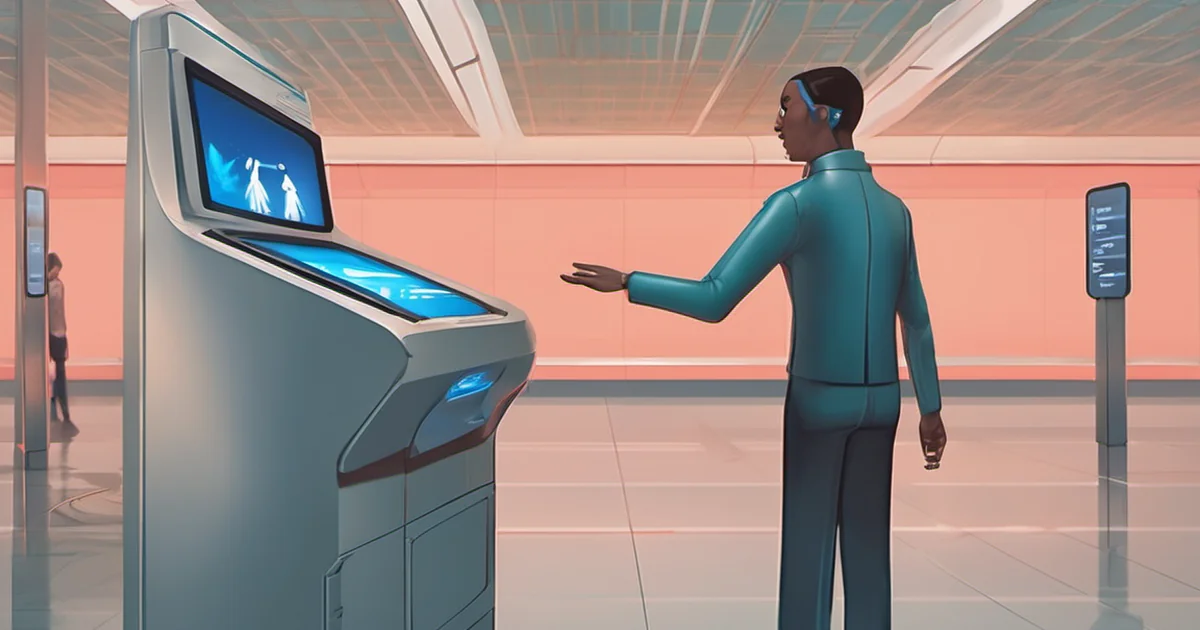
United Airlines' Policy on AI Agents
United Airlines has announced a policy that prevents personal AI assistants from booking flights on its platform, citing privacy and regulatory concerns. According to the airline, AI agents could potentially expose customers’ personal information or make unintended purchases, as noted in statements from United. The airline is also concerned that AI agents might bypass federal rules requiring passengers to confirm details such as whether their luggage contains prohibited items like explosives. While AI assistants can still display flight options from United, they are not permitted to complete the booking process. This decision reflects United’s commitment to ensuring customer data is protected and that all transactions comply with existing regulations. The airline has not provided specific numbers or testing results related to this policy, but has emphasized its focus on maintaining security and regulatory adherence.
Industry-Wide Concerns and Similar Restrictions
Industry-wide concerns about AI agents booking flights or conducting transactions are growing, with United Airlines leading the charge in restricting their use. According to reports, United has implemented measures to prevent unauthorized AI agents from booking flights on its platform. This move reflects a broader trend, as evidenced by similar actions taken by other companies. For instance, eBay has reportedly blocked AI agents from browsing its site, and several major banks have also imposed restrictions on AI-driven transactions. These steps highlight the ongoing debate over the reliability, security, and ethical implications of allowing AI agents to interact with commercial platforms. United has not ruled out revisiting its stance in the future, suggesting that advancements in AI technology may influence its decision. However, for now, the airline remains firm in its position, citing the need to protect customer interests and ensure a secure booking process.
Potential Future Reconsideration and Risks
United Airlines has expressed cautious optimism about the potential of third-party AI agents in the travel industry, while also highlighting concerns about security and privacy. According to a statement, the airline sees opportunities as these agents advance, but it emphasizes the need for protections before allowing them to interact directly with United accounts or bookings. United CEO Scott Kirby acknowledged the potential of AI agents during an event, stating, 'To be honest, I don’t want to create another middleman,' as reported by the Journal. However, the airline’s stance reflects a broader industry challenge: balancing innovation with the risks of exposing sensitive customer data. United’s approach underscores the importance of establishing trust and safeguards before fully integrating AI into the booking process, a step that could influence how other airlines and service providers handle similar technologies in the future.
Sources and reporting notes
Based on published source material. No independent hands-on testing is claimed.



