Trezor Warns of Suspected Hardware Implant in Safe 5 Wallets
Trezor has issued a warning following a report of a suspected hardware implant in Safe 5 wallets purchased from reseller CryptoBilis, raising concerns about potential crypto-theft.
Report of Suspected Hardware Implant in Trezor Safe 5
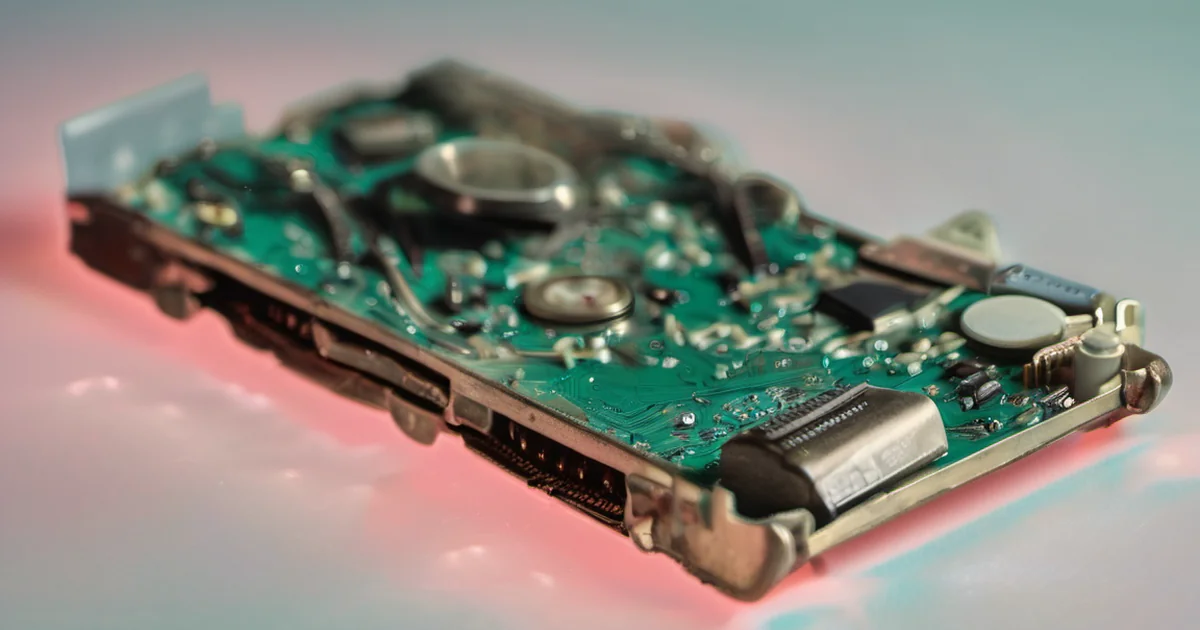
Trezor has issued a warning following a report from an Indonesian user who purchased a Trezor Safe 5 hardware wallet from reseller CryptoBilis through Tokopedia in August 2026. The user discovered an extra circuit board inside the device that appears to send out the recovery phrase over a mobile network, raising concerns about a potential hardware implant designed for crypto-theft. According to Trezor, the concerns arose after it received credible reports about a suspected hardware crypto-theft implant in a Safe 5 sold by CryptoBilis in Southeast Asia. The company has not confirmed the presence of the implant but has advised customers who purchased devices from CryptoBilis to take additional security precautions. The incident highlights the risks associated with purchasing hardware wallets from third-party resellers and underscores the importance of verifying the authenticity of such devices.
Trezor's Response and Recommendations for Affected Users
Trezor has issued a warning to users who purchased its hardware wallets from CryptoBilis since March 2026, advising them to take immediate action. According to Trezor, users are urged to move their funds to a new wallet with a new recovery phrase to mitigate potential risks. For now, Trezor recommends not setting up or using any device bought via CryptoBilis from March 2026 onward. Users who have already set up their devices are advised to transfer their funds to a newly created wallet with a new recovery phrase. These steps are intended to safeguard user assets in light of suspected hardware implants. The company has not provided further details about the nature of the suspected implant or the extent of the issue. Affected users are encouraged to follow Trezor’s official guidance closely to protect their digital assets.
Connection to Previous Ledger Implant Incident and Reseller Actions
Trezor has suspended sales through CryptoBilis, an authorized reseller in Southeast Asia, following concerns about a suspected hardware implant in one of its wallets sold by the retailer. This action follows Ledger’s investigation into customer losses linked to purchases from CryptoBilis, which had previously been implicated in a similar implant incident. Evidence indicates that the implants on both Ledger and Trezor devices appear to be similar in form and function, according to reports. Trezor ceased sales through CryptoBilis on October 9, 2026, prior to any indication of its own involvement. The connection between the two incidents highlights the risks associated with third-party resellers and the need for manufacturer oversight. No further details about the implant or its impact have been disclosed by Trezor.
Singapore Police Advisory and Broader Implications
The Singapore Police Force issued an advisory on October 28, warning that Ledger hardware wallets purchased from certain retail stores in Singapore may contain malicious hardware components. This follows reports of significant financial losses by Ledger users, with a recent police announcement adding $3,500,000 to the total losses attributed to such incidents. The advisory highlights the growing concern over hardware wallet security and the potential for tampering during the supply chain process. According to one report, once attackers gain valid credentials, only 37% of their actions are blocked, underscoring the limitations of current security measures in preventing unauthorized access after initial compromise. These developments raise broader questions about the integrity of hardware wallet distribution channels and the need for enhanced verification processes to protect users from similar threats.
Trezor's Policy on Device Inspection and Security Measures
Trezor has issued a warning regarding a suspected hardware implant in one of its wallets sold by CryptoBilis. According to Trezor, owners cannot reliably check a device themselves and should not weigh or open it to try it, as these methods are not reliable indicators of tampering. This advice applies to every Trezor model purchased from CryptoBilis since March 2026, including devices sold through its store on Tokopedia. Users who already use the affected wallet are advised to move their funds to a new wallet with a new recovery phrase as soon as possible. Trezor emphasized that its guidance is based on the need to ensure the security of its users' assets and to prevent potential exploitation of compromised devices.
Sources and reporting notes
Based on published source material. No independent hands-on testing is claimed.



