Trezor Discovers Hidden Implants in Safe 5 Wallets Sold by CryptoBilis
Trezor confirmed hidden implants in Safe 5 wallets from reseller CryptoBilis, capable of copying recovery phrases, prompting a firmware update and reseller network reduction.
Discovery and Initial Response to Implants in Trezor Safe 5 Wallets
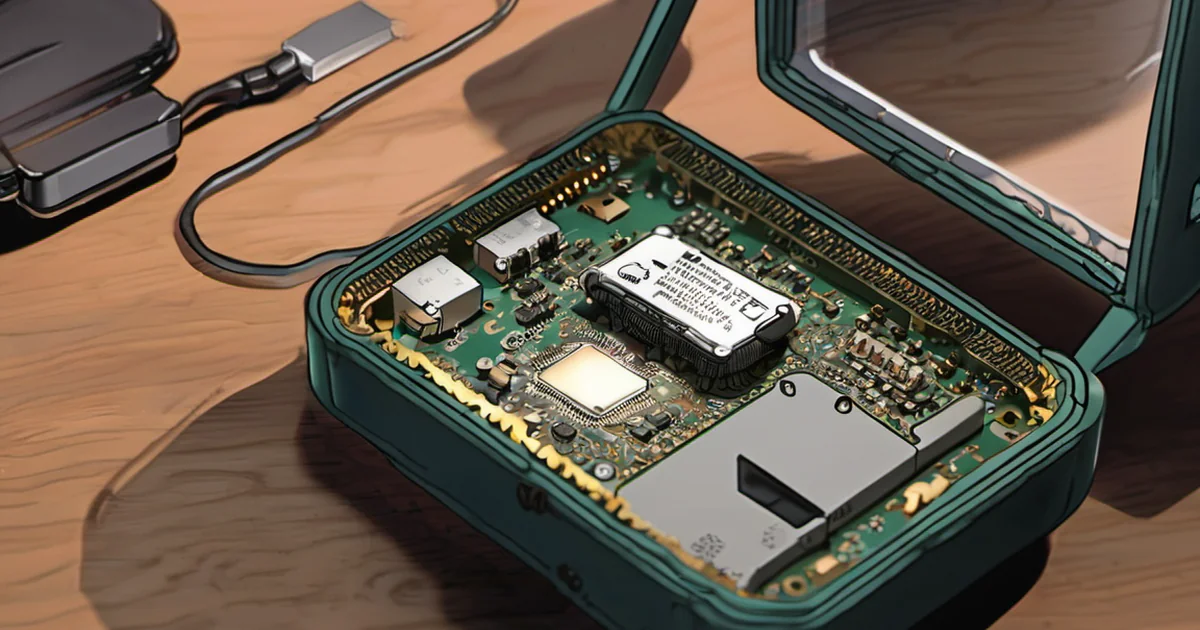
Trezor confirmed the presence of hidden implants in three Trezor Safe 5 wallets purchased from reseller CryptoBilis, according to a report by Swati Khandelwal. The implants, described as unauthorized circuit boards, are capable of copying recovery phrases, which could potentially expose users' cryptocurrency holdings. The company first raised concerns about a suspected implant on October 30, 2026, following a customer's report, though its lab had not yet examined the device at that time. The compromised devices were purchased from CryptoBilis between August 20 and September 23, 2026. To date, the implants have been confirmed only in Safe 5 units sold through CryptoBilis, and no affected customers have reported financial losses. In response to these supply-chain security issues, Trezor has reduced its global reseller network by approximately 80%.
Firmware Update and Its Limitations
Trezor has released firmware version 2.13.1, which includes protections that prevent the implants found in some devices from capturing information displayed or entered on the wallet's screen, according to the company. The update, released on November 11, makes the current batch of implants useless for devices that run it. However, Trezor explicitly warns that the update cannot protect recovery phrases that may have already been captured before the firmware was installed. The company has not changed its advice for users who purchased Trezor devices from CryptoBilis since March, including those bought from reseller stores on Tokopedia and Shopee. Users are still advised to move their funds to a new wallet with a new recovery phrase. No Trezor customers have reported stolen funds, but the company emphasizes that the firmware update does not retroactively secure previously captured data.
Impact on Reseller Network and Customer Actions
Trezor's decision to cut its reseller network has significantly impacted the distribution of its hardware wallets, particularly affecting customers who purchased devices through CryptoBilis. According to the company, it has reduced its reseller network by about 80%, removing partners that did not meet its new stricter rules, as stated in a partner letter dated October 13. CryptoBilis was an official reseller in Southeast Asia until October 9, when Trezor removed it from its list of authorized sellers. The company is offering replacement devices to anyone who purchased a Trezor wallet from CryptoBilis since March 2026, including those whose devices have not been confirmed as compromised. This move follows earlier reports of compromised Ledger wallets sold through CryptoBilis, which prompted Trezor to reassess its reseller relationships. Customers are advised to take action, as the company has not confirmed which devices are affected, and replacements are available regardless of confirmation status.
Comparison with Ledger Implants and Supply Chain Concerns
Trezor has confirmed the presence of hidden implants in certain Safe 5 wallets sold by the reseller CryptoBilis, which can capture recovery phrases during setup. These implants operate similarly to those previously discovered in Ledger devices, as noted by Trezor in a statement. Ledger had earlier confirmed an unauthorized implant in a wallet sold by the same reseller, which attackers used to drain wallets in a coordinated theft operation, according to an incident statement from Ledger. The implants in Trezor devices appear to be adapted to the Safe 5's display, as stated by the company. However, Trezor has not identified who fitted the implants or where in the supply chain the tampering occurred. To date, implants have been found only in Safe 5 wallets sold by CryptoBilis, with no evidence of similar issues in other models or resellers, as reported by the company.
Ongoing Investigation and Customer Communication
Trezor is continuing its investigation into reports of hidden implants in CryptoBilis-sold wallets, following October disclosures that raised concerns about potential security risks. The company has reached out to customers who purchased devices from the reseller, and 48 individuals have contacted Trezor to date. These users are either sending their wallets to Trezor’s lab for examination or providing photographs of internal components. However, the company has not disclosed how many devices have been inspected so far. Trezor emphasized that its wallets are self-custodial, meaning it does not have access to users’ balances or private keys. To date, the company has found no evidence of implants in devices sold by other resellers and has not received reports of stolen funds linked to the Safe 5 wallets. Trezor has pledged to provide updates if new findings emerge or if additional protections are released.
Sources and reporting notes
Based on published source material. No independent hands-on testing is claimed.



