Tiberius Aerospace: AI-Driven Defense Innovations and Military Applications
Tiberius Aerospace, founded by David Steelberg, uses AI to develop advanced military technologies, including AI-driven weapon design and the Sceptre artillery system, with significant funding and partnerships in the defense sector.
Origins and Motivation Behind Tiberius Aerospace
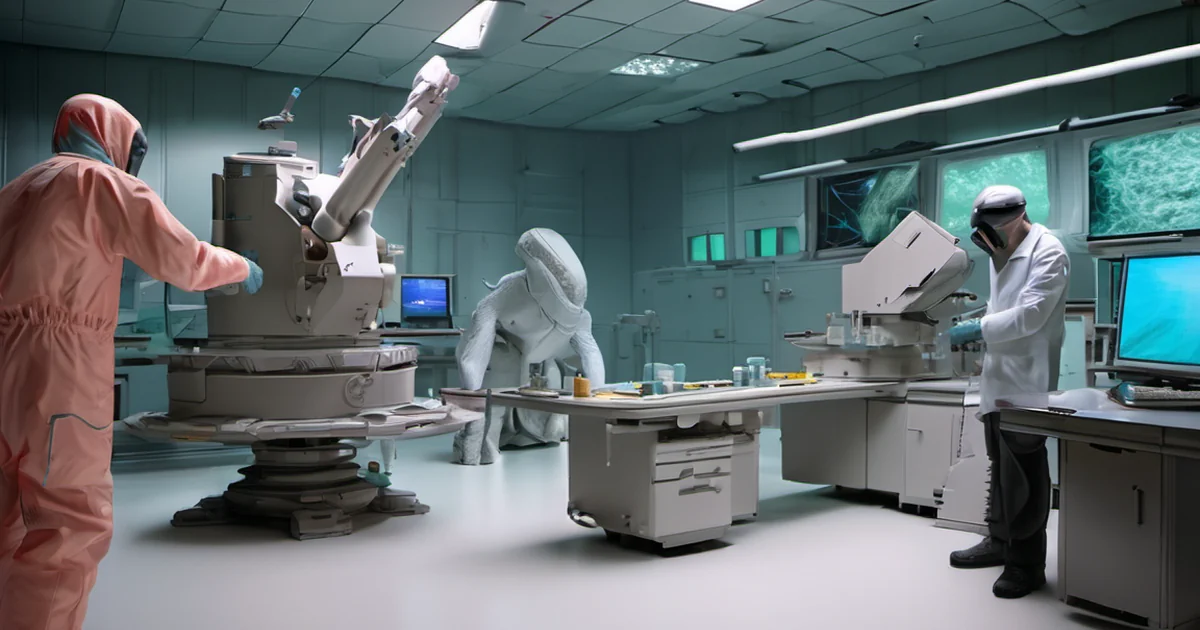
Tiberius Aerospace was founded by entrepreneur and former Google employee David Steelberg, who began exploring ways to apply cutting-edge technology to defense applications after hosting Ukrainian refugees in his French chateau in early 2022. According to WIRED AI, this experience inspired Steelberg to “make a difference” on the battlefield. Tiberius initially operated as Steelberg’s private research lab, incorporated in 2021, and employed engineers and researchers across France, the UK, and the US to explore unconventional technologies such as drones, electric vertical takeoff aircraft, and quantum computing, as noted in WIRED AI. The company’s origins reflect a broader trend of tech professionals leveraging their expertise in artificial intelligence and advanced engineering to address global security challenges. While the motivations behind Tiberius’ formation remain largely personal, the company’s trajectory highlights the growing intersection between private innovation and military applications.
AI-Driven Weapon Design and Development
In the realm of AI-driven weapon design and development, former Google employees have leveraged artificial intelligence to refine offensive systems. According to Steelberg, the AI engine was used to simulate weapons under various conditions and identify systems that could disrupt the market, with a focus on metrics such as cost-effectiveness and lethality WIRED AI. The AI suggested moving away from traditional drones and instead prioritizing longer-range artillery munitions WIRED AI. Additionally, the software automates supply chain management and compliance, while also simulating weapons against different targets in diverse environments, including an Arctic peninsula WIRED AI. These capabilities highlight the growing role of AI in military innovation, though specific performance claims or testing outcomes are not detailed in the available information.
Funding and Partnerships for Tiberius Aerospace
Tiberius Aerospace has secured $85 million in Series A financing, led by European technology investment firm Lakestar and Rochefort Asset Management, a national-security-focused investment firm licensed under the US Defense Department. This week, the company announced that it is working with the US Army to further develop its Sceptre projectile system. In April, Tiberius successfully fired one of its Sceptre projectiles from a NATO-standard 155-mm howitzer for the first time. The firm has also announced a $500 million technology collaboration contract with UK partners to manufacture, license, and distribute the munition. The company has stated that it intends to generate revenue from its operations, as noted in one of its recent statements.
Sceptre Munition and Its Strategic Value
Sceptre Munition, a new type of artillery system, is designed to be fired from a 155-millimeter howitzer—the most common artillery weapon donated to Ukraine. According to one source, 155-mm shells “can cause massive damage to a group of vehicles or infantry.” The system, developed with the help of AI, is said to offer strategic value by extending the reach of howitzers and enabling them to return to combat. This capability is particularly important for Ukraine, where maintaining the effectiveness of artillery is critical. The prototype was designed by Steelberg, who also expanded the Tiberius team in 2023, bringing on Baynes as chief strategy officer. The development of Sceptre highlights the growing role of AI in military technology and its potential impact on modern warfare.
Business Model and Industry Impact
The business model of the company, as described by insiders, revolves around proprietary munition and missile designs, government partnerships, and a defense-as-a-service offering valued at over $1 billion, according to WIRED AI. This approach enables users to test, iterate, and design weapons for specific uses much quicker, as noted in WIRED AI. One executive described the company’s strategy as building a toll bridge over a major industry hurdle, allowing the entire sector to cross it faster, better, and stronger. This metaphor highlights the company’s role in accelerating innovation within the defense industry, though the long-term impact on competition and ethical considerations remains unclear.
Sources and reporting notes
Based on published source material. No independent hands-on testing is claimed.



