RISC-V RVA23 Profile Reduces Ecosystem Fragmentation
The RISC-V RVA23 profile is standardizing the Instruction Set Architecture to simplify software distribution and improve compatibility across RISC-V implementations.
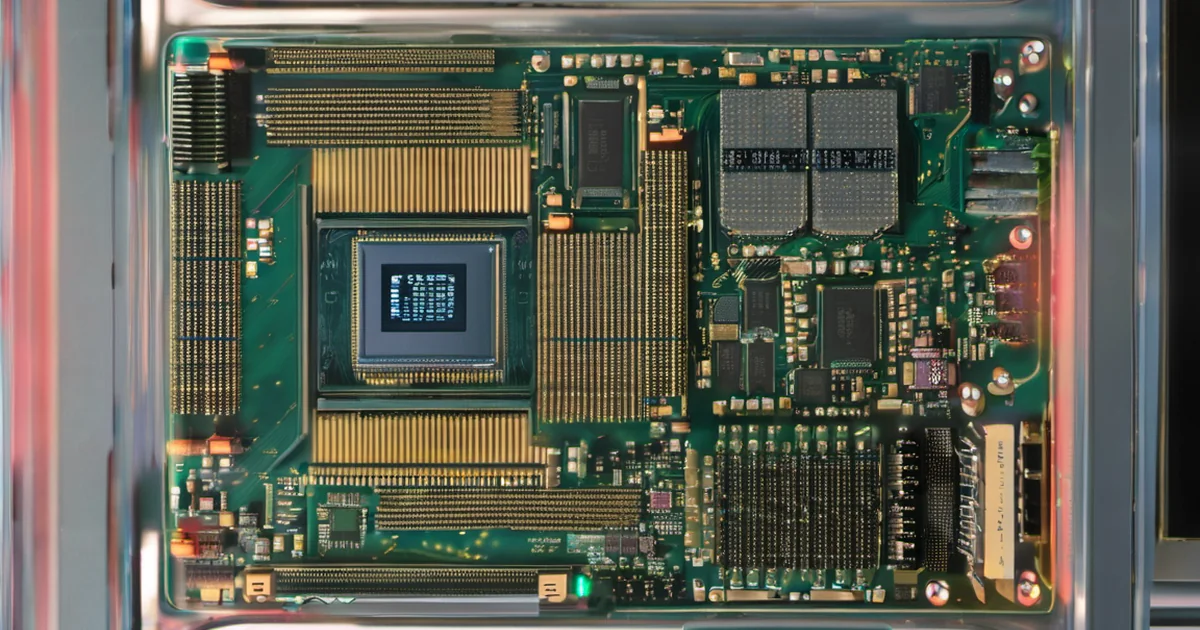
RVA23 Profile and Its Significance in RISC-V Ecosystem
The RISC-V RVA23 profile is gaining attention for its role in reducing fragmentation within the RISC-V ecosystem. By standardizing more of the Instruction Set Architecture (ISA), it aims to simplify the distribution of modern RISC-V binaries and related software. According to recent discussions, this profile is becoming increasingly important as it helps ensure compatibility across different RISC-V implementations.
Interestingly, modern versions of Ubuntu now mandate RVA23 compliance, even though hardware that meets this standard is still limited. This move highlights the growing emphasis on standardization within the RISC-V community. Additionally, pending Linux kernel patches are expected to provide users with a straightforward method to determine if their RISC-V system is RVA23 compliant, addressing a long-standing challenge for Linux users in this space.
Current Challenges in Determining RVA23 Compliance
Currently, determining whether a RISC-V system is RVA23 compliant presents a challenge for users and developers. According to available information, users must manually check hwprobe or prctl queries for every mandatory extension of RVA23, a process that is both time-consuming and error-prone. Additionally, there has not been a one-shot method for the Linux kernel to report RVA23 support, further complicating verification efforts. However, Qualcomm engineer Guodong Xu has been working to address this gap by developing a solution to expose RVA23U64 base behavior via hwprobe. This advancement could streamline the compliance-checking process, making it more efficient and reliable for users and developers working with RISC-V systems. The progress highlights ongoing efforts within the Linux community to improve support for emerging RISC-V standards.
Progress Toward Mainline Kernel Integration
Progress toward mainline kernel integration for RISC-V RVA23 support is advancing, with key developments being tracked through system interfaces like /proc/cpuinfo and hwprobe, as noted in Phoronix. This enables users to easily determine whether a given RISC-V system is RVA23-compliant. Further discussion on this topic took place at the Linux Plumbers Conference in Prague, as highlighted in Phoronix, indicating that the integration is on a clear path toward inclusion in the mainline kernel. Much of the required patch series is now queued in RISC-V's for-next Git branch for Linux 7.4, according to Phoronix, marking a significant step forward in the standardization and adoption of RVA23 within the Linux ecosystem.
Ongoing Code Review and Future Integration
Linux is gradually simplifying the process of identifying whether a RISC-V system is RVA23, a specific variant of the RISC-V architecture. According to recent developments, the RVA23U64 bit reporting patches are undergoing further refinement and are expected to go through at least one more round of code review before being integrated into the mainline kernel. As noted by Michael Larabel in his article on 14 October 2026, the feature is progressing toward inclusion in a future Linux version, though it may be delayed until after v7.4. This enhancement aims to provide user-space applications with an easier way to detect and interact with RVA23 systems, improving compatibility and support for this architecture variant within the Linux ecosystem.
Sources and reporting notes
Based on published source material. No independent hands-on testing is claimed.



