Ring Drone Cam Uses AI Autopilot Exclusively
Ring's Drone Cam will rely entirely on AI-based autopilot without manual controls, following a public crash during a CBS News demonstration.
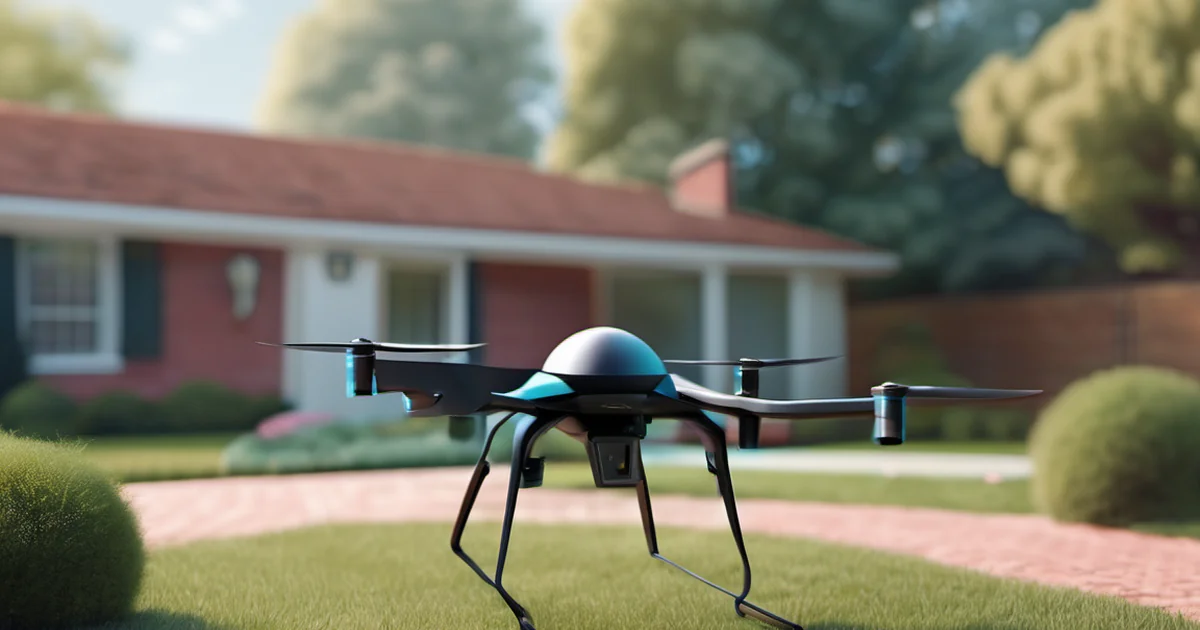
Ring Drone Cam Relies Solely on AI Autopilot
Ring has confirmed that its upcoming Drone Cam will not include manual controls, relying entirely on an AI-based autopilot system to navigate around homes. This decision comes after a public demonstration on CBS News, where the drone crashed, highlighting the challenges of autonomous navigation in complex environments. According to the company, the device will follow pre-programmed routes and use AI to avoid obstacles without user intervention. This approach contrasts with traditional drones, which often provide manual control options. The AI Pilot system is designed to ensure consistent performance and reduce the risk of user error, though critics have raised concerns about the lack of manual override in emergency situations. Ring has not provided specific details on how the AI system will handle unexpected obstacles or adverse weather conditions. The company’s statement emphasizes that the AI will be the sole means of operation, a choice that may influence consumer perception of the product’s reliability and flexibility.
CBS News Demonstrates Manual Controls and Crashes
CBS News demonstrated the manual controls of Ring’s camera drone during a segment on CBS Mornings, which was also published on Threads. Ring founder Jamie Siminoff allowed technology reporter Jo Ling Kent to manually fly an early version of the drone using a mobile app with integrated controls. During the demo, the drone crashed twice while being manually piloted. CBS News captured the second crash on camera, showing the drone colliding with a wall after failing to respond to manual controls. The incident highlights the challenges associated with early-stage drone technology and the potential risks of manual operation. Ring has not confirmed whether future versions of the drone will include manual controls, following this demonstration.
Reason for Crashes and Ring’s Response
Ring confirmed that its camera drone will not include manual controls following a crash reported by CBS News. According to The Verge, the drone’s collision avoidance technology malfunctioned, and Ring declined to share the video footage from before the incident. Siminoff explained in The Verge that the crash occurred because the drone lost internet connectivity, which is essential for its autonomous flight. In The Verge, Siminoff stated, “If it loses connectivity, it’s supposed to stop and land,” highlighting the reliance on stable internet for safe operation. Ring’s response underscores the challenges of integrating autonomous systems with real-time connectivity requirements, and the company’s decision to exclude manual controls reflects its current approach to managing these risks. The incident raises questions about the reliability of internet-dependent drones in unpredictable environments.
Manual Controls Removed Before Launch
Ring confirms its camera drone won’t have manual controls after crashing on CBS News. Manual Controls Removed Before Launch. It seems that while manual flight controls were included at some stage of development, Ring won’t be making the feature available to customers when the Drone Cam launches in January. Ring spokesperson Sam McGee said in a statement to The Verge, “We explored a lot of features throughout the development, but autonomous flight to patrol points using the AI Pilot is the best customer benefit and experience.” Ring declined to show us the app in our own demonstration of the Drone Cam, and said it only works on pre-programmed flight paths.
Sources and reporting notes
Based on published source material. No independent hands-on testing is claimed.



