Oxynote Integrates PostgreSQL for Live Data Visualization
Oxynote integrates with PostgreSQL to enable live data visualization through embedded SQL queries, displaying results as time series, bar charts, or gauges directly within wiki pages.
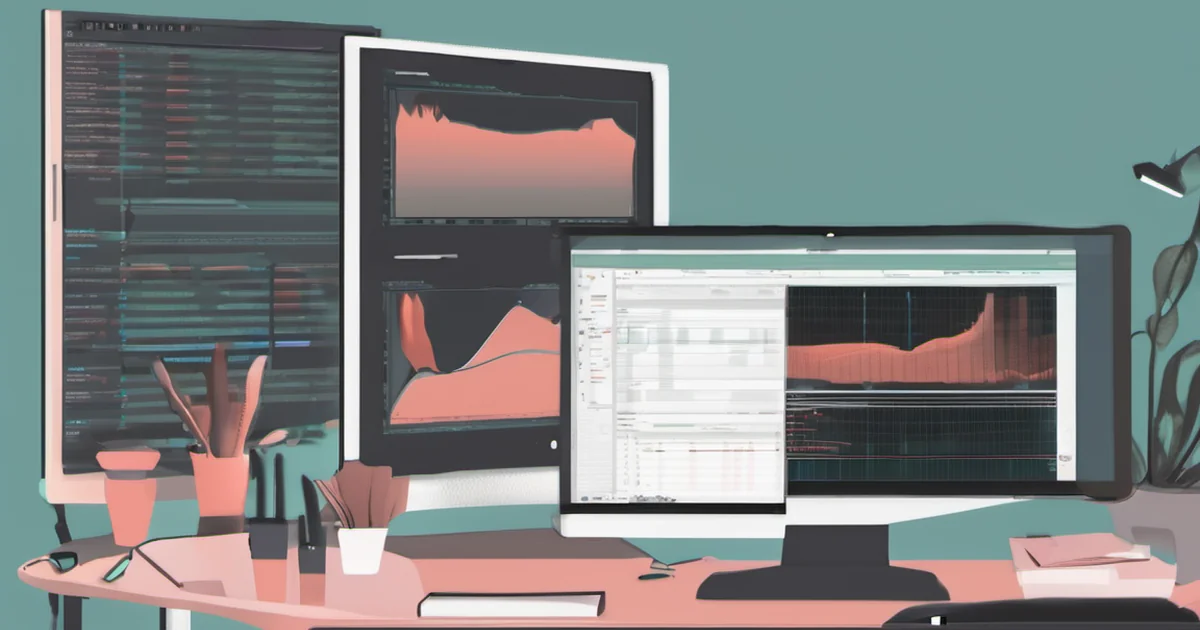
Integration with PostgreSQL for Live Data Visualization
Oxynote integrates with PostgreSQL to enable live data visualization through embedded SQL queries. Live Metrics blocks execute SQL against PostgreSQL databases and display results as time series, bar charts, or gauges, providing real-time insights directly within wiki pages. This feature allows users to run queries using Grafana-style macros such as $__timeFilter, $__timeGroup, and $__timeFrom, enabling the reuse of existing dashboard queries from tools like Grafana. This integration streamlines the process of embedding dynamic data visualizations into documentation, ensuring that charts remain up to date as data changes. The system also supports similar functionality with Prometheus, MySQL, and MariaDB, offering flexibility for teams using different database technologies. Changes to pages with embedded charts follow a structured workflow, including draft creation, diff review, and approval, akin to a pull request process, ensuring accuracy and collaboration.
Read-Only Data Source Security Measures
Oxynote implements read-only data source security measures by connecting exclusively to roles or databases with default_transaction_read_only enabled, or to standby instances. This ensures that Oxynote cannot modify data sources directly, reducing the risk of accidental or malicious changes. According to PostgreSQL, this approach is a core part of Oxynote’s design philosophy for maintaining data integrity. The application stores its own data in PostgreSQL 18, which is embedded within the all-in-one Docker image, as noted in PostgreSQL. A typical use case, as described in PostgreSQL, involves displaying replication lag or slow query counts alongside runbook steps, allowing users to review charts and explanations together. This integration supports operational transparency and informed decision-making without compromising the security of the underlying data sources.
Maintaining Up-to-Date Internal Documentation
Maintaining up-to-date internal documentation is a persistent challenge, as noted by developers who find that internal docs often go stale because people open them only when something breaks . Oxynote addresses this issue by integrating live data visualization through PostgreSQL query charts, which gives the team a reason to open a page every day, ensuring that pages read daily stay up to date . This approach encourages continuous engagement with documentation, making it a dynamic resource rather than a static reference. Oxynote is available as open source, with source and install instructions, as well as the latest release, accessible through its official repository . By combining real-time data with collaborative documentation, Oxynote offers a novel solution to the problem of outdated internal knowledge bases.
Sources and reporting notes
Based on published source material. No independent hands-on testing is claimed.



