OpenPI Introduces Open-Source Vision-Language-Action Models for Robotics
OpenPI introduces open-source vision-language-action foundation models, including pi0, pi0-FAST, and pi0.5, pre-trained on 10k+ hours of robot data for general robot control.
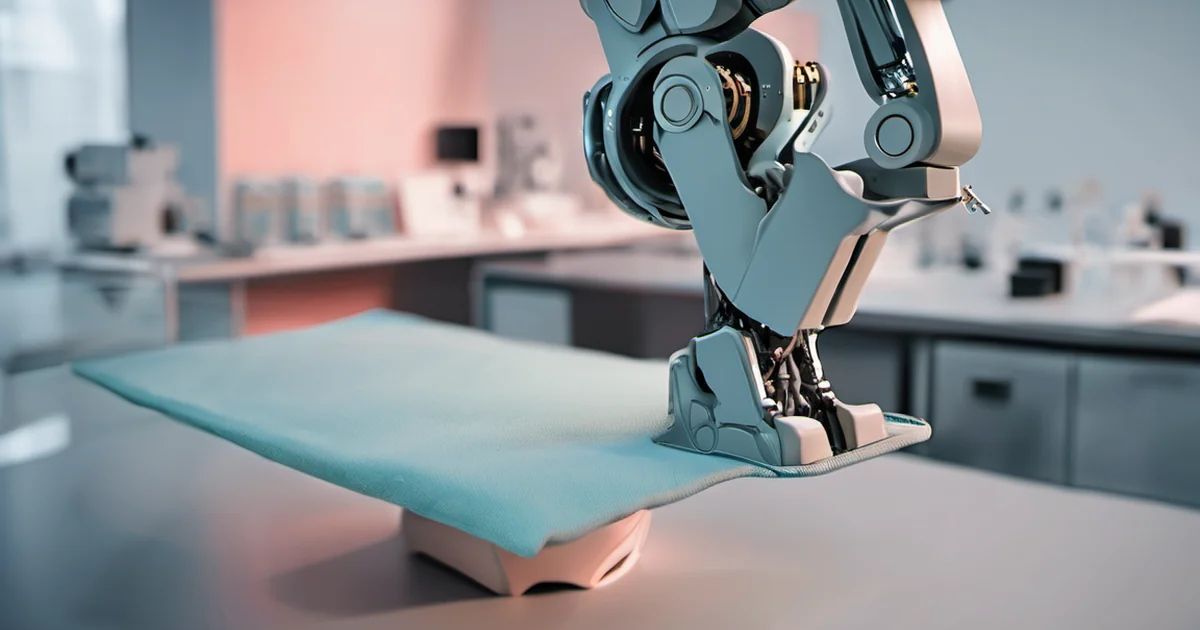
Overview and Models
OpenPI introduces open-source vision-language-action (VLA) foundation models designed for general robot control. These models, including pi0, pi0-FAST, and pi0.5, are pre-trained on 10k+ hours of robot data, as noted by OpenPI. The pi0 model employs a flow-based VLA architecture, while pi0-FAST utilizes an autoregressive approach with a FAST action tokenizer. The pi0.5 model enhances open-world generalization through knowledge insulation. All models are released under the Apache-2.0 license. This initiative aims to advance robotics research by providing accessible, high-quality foundation models for a variety of robotic applications.
Capabilities and Tasks
OpenPI introduces the first general-purpose robot foundation model, capable of controlling diverse robot platforms across multiple tasks including folding laundry, assembling boxes, bussing tables, and making coffee (robotics.growbotics.ai). The project achieves state-of-the-art results on benchmarks like LIBERO and supports the same range of tasks across multiple robot platforms (robotics.growbotics.ai). Its pi0 family of models demonstrates that a single VLA model can control diverse robots across many tasks, signaling a shift toward foundation models in robotics similar to what GPT did for language (robotics.growbotics.ai).
Deployment and Access
Deployment and access to models in the OpenPI repository involve a mix of direct downloads and external APIs. The latest model available in this repository is pi0.5, released in September 2025 [robotics.growbotics.ai]. However, in October 2026, Physical Intelligence introduced a Pi API beta that provides an alternative method for accessing their latest models [robotics.growbotics.ai]. This API allows users to upload data, fine-tune models on compute resources managed by Physical Intelligence, and run the results through hosted inference. It is important to note that the post does not confirm that these latest models will be published in this repository [robotics.growbotics.ai]. As a result, the checkpoints currently available in this repository remain the only option for running models on personal hardware.
Impact and Significance
OpenPI marks a significant advancement in the field of robotics by introducing the first general-purpose robot foundation model from Physical Intelligence. This development addresses a critical challenge in the industry: the high cost and time required to build robot policies from scratch for each new task. OpenPI provides pre-trained foundation models that can be fine-tuned for new tasks with minimal data, dramatically reducing the barrier to deploying capable robot behaviors. By enabling more efficient and scalable development of robotic systems, OpenPI has the potential to accelerate innovation across a wide range of applications, from industrial automation to personal assistance. This approach not only lowers the entry point for developers but also fosters greater collaboration and knowledge sharing within the robotics community.
Sources and reporting notes
Based on published source material. No independent hands-on testing is claimed.



