Kubernetes Security Best Practices and Tools
Kubernetes security requires a layered approach, incorporating best practices such as Role-Based Access Control (RBAC), Pod Security Standards, and Network Policies to isolate workloads and limit access to sensitive resources.
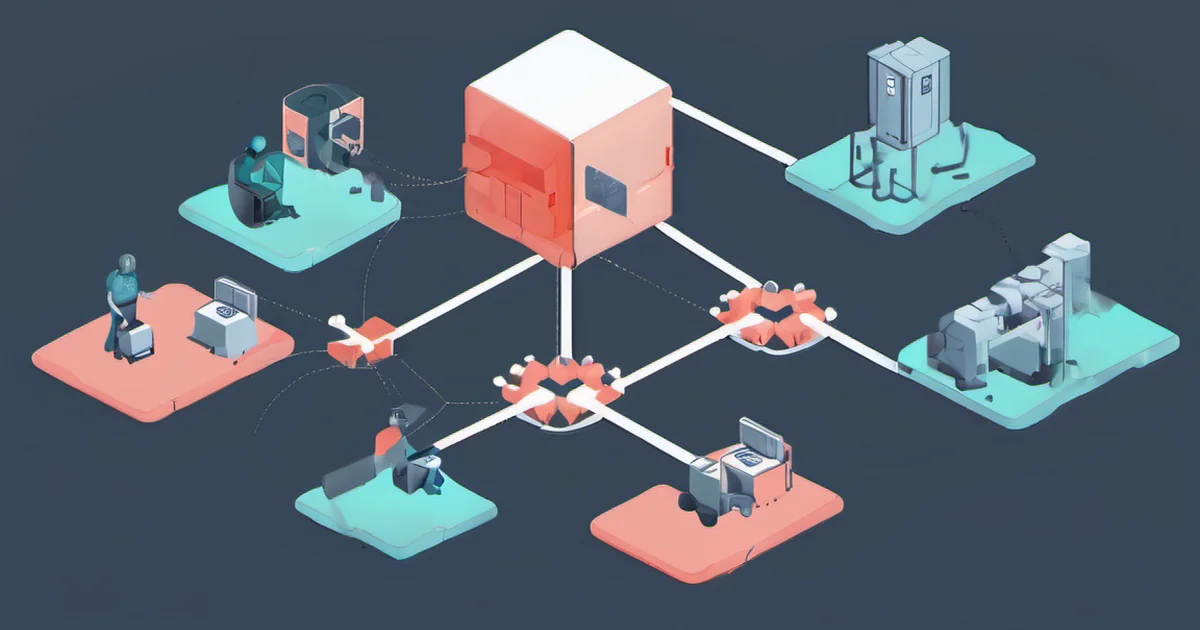
Kubernetes Security Recipes and Best Practices
Kubernetes security requires a layered approach, incorporating best practices such as Role-Based Access Control (RBAC), Pod Security Standards, and Network Policies. These measures help isolate workloads and limit access to sensitive resources. Implementing container image scanning through tools like Trivy or Red Hat Advanced Cluster Security (RHACS) ensures that only secure images are deployed. Supply chain security is also critical, with practices like image signing and using Cosign to verify the integrity of container images. ServiceAccount configuration for Pods is essential, ensuring that tokens are mounted securely and that permissions are set to the principle of least privilege. Tools like Kyverno can enforce security policies across clusters, while OpenShift provides robust user account management and identity provider integration. These practices, when combined, form a comprehensive security strategy for Kubernetes environments.
Multi-Agent Security Framework for Kubernetes
Recent advancements in Agentic AI present an opportunity to rethink Kubernetes security. This blog explores how a Multi-Agent Security Framework can transform Kubernetes security operations through autonomous detection, investigation, and remediation. Modern Kubernetes environments generate security signals from multiple sources, including runtime security tools, container vulnerability scanners, admission controllers, network monitoring systems, compliance platforms, and cloud security posture management tools. Each system produces valuable information, but most operate independently, often requiring multiple tools and human intervention to answer critical security questions. A Multi-Agent Security Framework consists of specialized AI agents, each responsible for a specific security domain. Instead of a single "security copilot," organizations deploy a team of specialized autonomous agents.
Kubernetes Sidecar Containers and Helper Applications
Kubernetes sidecar containers and helper applications are essential for managing complex workloads in production environments. These containers can mount shared volumes when file exchange is required, as noted in relevant documentation. However, applications with distinct processing or access requirements may benefit from dedicated collectors. For example, moving a reference-data lookup locally is only beneficial if the helper can answer without contacting the source. Kubernetes has supported native sidecar containers since version 1.33, providing stability for such patterns. An illustrative Pod template includes a helper with /ready and /health endpoints on port 8090, demonstrating how startup, readiness, and liveness probes can be configured. This setup ensures that the helper application is fully functional before the main application starts, improving reliability and performance in production deployments.
Kubernetes Security Best Practices and Tools
Kubernetes security in production environments requires a combination of best practices and tools to mitigate risks. According to a 2022 CNCF survey, 40% of respondents identified security as a top challenge when deploying containers on Kubernetes. In response, Kubernetes deprecated PodSecurityPolicy (PSP) in favor of Pod Security Admission (PSA) starting with version 1.25, as noted in relevant documentation. Organizations are increasingly adopting tools like the Mirantis Agent Platform to enhance security across their Kubernetes clusters. Additionally, a 2023 Venafi report, analyzed by InfoSecurity Magazine, found that 59% of organizations experienced security incidents in their Kubernetes environments. This highlights the importance of shifting security left—identifying vulnerabilities during the build phase through practices like Kubernetes vulnerability scanning. As organizations scale their Kubernetes deployments, implementing robust security measures and leveraging industry tools becomes essential to protect against threats.
Kubernetes Security Layers and Evaluation Criteria
Kubernetes security requires a layered approach, combining tools and practices across different phases of the deployment lifecycle. During the build phase, vulnerability scanning tools like Trivy, Aqua, and Snyk help identify potential risks early. In the deployment phase, Role-Based Access Control (RBAC) and policy enforcement using Kubernetes RBAC and OPA Gatekeeper ensure that only authorized entities can interact with the cluster. At runtime, network policies and Web Application Firewalls (WAF), such as those provided by Calico, Istio, and ModSecurity, add another layer of protection. Monitoring and logging tools like Prometheus, Grafana, and Fluentd enable real-time visibility and auditing for security incidents. When evaluating a Kubernetes security platform, integration with existing CI/CD pipelines, real-time visibility, policy management, and scalability are key criteria. Additionally, support for Kubernetes firewall rules and compliance with standards like PCI-DSS, HIPAA, or GDPR should be considered. Security is not about a single tool but a combination of practices and technologies working together.
Sources and reporting notes
Based on published source material. No independent hands-on testing is claimed.



