IEEE TryEngineering Program Expands Preuniversity Educator Training
The IEEE TryEngineering program offers professional development for preuniversity educators, providing hands-on training and classroom-tested STEM lesson plans to enhance technology education.
Program Overview and Structure
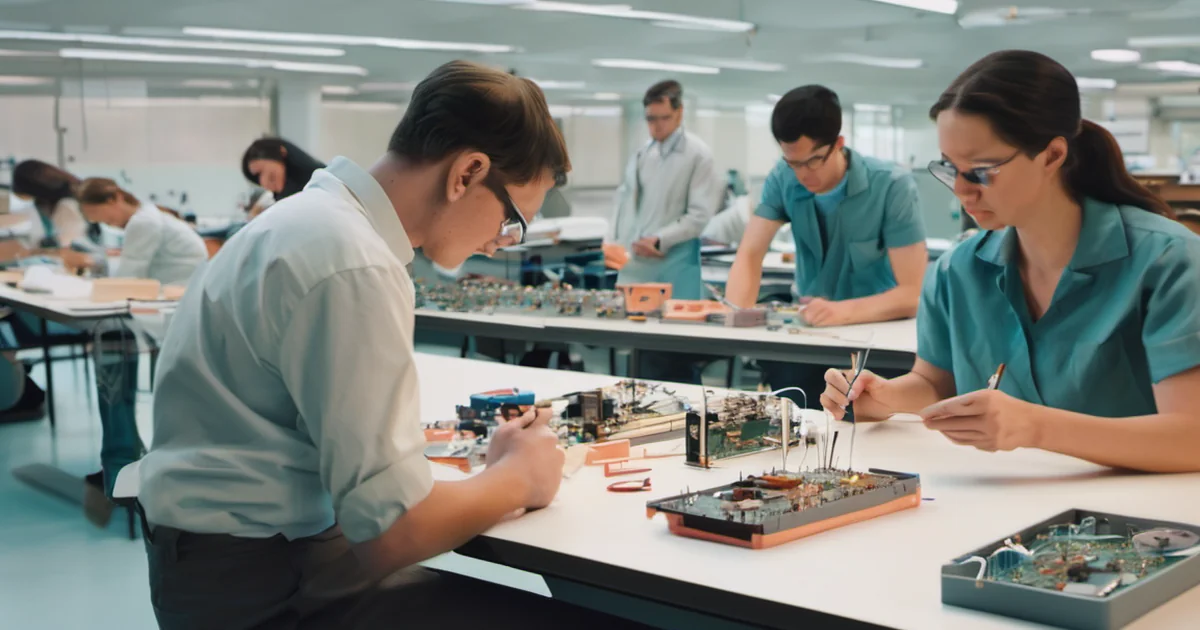
The IEEE TryEngineering program offers professional development opportunities for preuniversity educators, focusing on delivering engaging STEM lessons. Now in its third year, the initiative, administered by IEEE Educational Activities, provides teachers with specialized training and classroom-tested lesson plans on engineering topics. Workshops such as the Making a Microchip lesson plan demonstration allow educators to gain hands-on experience with technical concepts. These sessions aim to equip teachers with the tools and knowledge necessary to inspire the next generation of engineers and technologists. The program emphasizes practical application and innovation, ensuring that educators are well-prepared to integrate modern engineering principles into their teaching. By fostering a deeper understanding of technology, the TryEngineering workshops help bridge the gap between academic learning and real-world engineering challenges.
Host Institutions and Locations
The IEEE Program for Preuniversity Educators on Technology Topics relies on a network of host institutions to deliver its training sessions. These include the University of Florida, where educators gathered at the Florida Semiconductor Institute in Gainesville and the NeoCity high-tech manufacturing campus near Orlando. Arizona State University also played a key role, with Michael Kozicki, an IEEE member, and Stefan Myhajlenko from the university’s engineering school welcoming 11 Arizona teachers to the Tempe campus. The program also took place at the Florida Semiconductor Institute and SkyWater Technology chip manufacturing facility, as noted by IEEE Educational Activities. These host institutions provide educators with direct exposure to cutting-edge technology environments, enhancing their ability to teach relevant and current content in their classrooms.
Educator Participation and Impact
The IEEE Program has actively engaged preuniversity educators in technology education through its workshops and field experiences. In all, 54 educators learned about the engineering design process this year, according to the program’s records. One participant reflected on the impact of the workshop, noting that the SkyWater tour was excellent and that the instructors were great, adding that the teachers enjoyed learning from like-minded educators. The experience was particularly impactful for a group of 16 teachers, who said it inspired them to plan student field trips to the Nano Center during the upcoming academic year. These initiatives highlight the program’s role in fostering collaboration and hands-on learning opportunities for educators, ultimately aiming to enhance technology education for students.
Instructor and Host Contributions
The IEEE Program’s preuniversity educator training session featured contributions from multiple instructors and hosts. Roseanne Perez, an FSI workforce development program specialist, and Sophia Watson, FSI’s assistant director of workforce development, hosted the session. Engineering instructor Mary Acken provided hands-on lesson demonstrations for the 15 attending teachers. Additionally, Patricia Khashayar, director of the program and an IEEE member, introduced participants to the capabilities of the university’s Supercomputing Institute and Nano Center. These contributions highlighted the collaborative nature of the event and the diverse expertise brought to the training session.
Program Expansion and Future Plans
This year’s IEEE TryEngineering program expansion reflects growing interest in preuniversity tech education. With financial support from Onsemi’s Giving Now program, nearly 80 teachers attended sessions across five U.S. locations last year, according to IEEE Spectrum. Driven by that success and the demand for more, the IEEE Educational Activities Board continued its support, as noted in IEEE Spectrum. Looking ahead, upcoming global sessions are expected to expand the program’s international footprint, per IEEE Spectrum. These developments highlight the program’s commitment to equipping educators with the tools and knowledge needed to inspire the next generation of engineers and technologists worldwide.
Sources and reporting notes
Based on published source material. No independent hands-on testing is claimed.



