Challenges in Adapting Education to AI
AI is forcing a reevaluation of traditional computer science education, as educators emphasize the need to adapt teaching and evaluation methods to incorporate these tools.
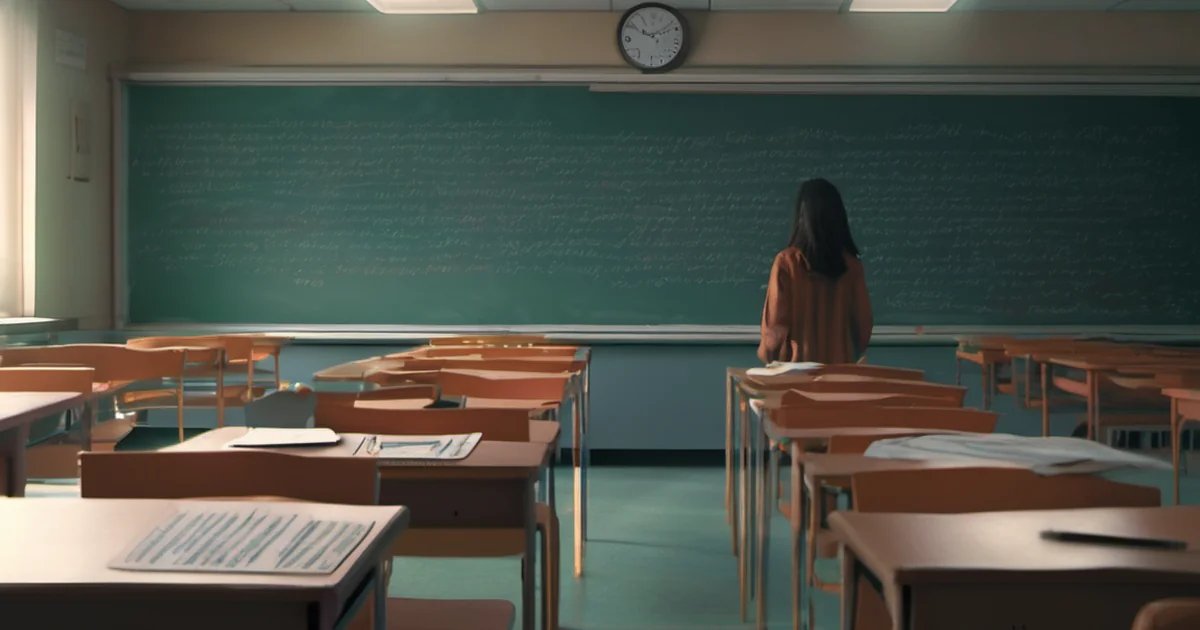
Challenges in Adapting Education to AI
AI is forcing a reevaluation of traditional computer science education, as noted by educators who emphasize the need to adapt teaching and evaluation methods to incorporate these tools . However, the field is still in its infancy, with little consensus on what effective AI-integrated teaching looks like . Compounding the challenge is the long-term nature of educational evaluation, which can take multiple years to measure the impact of these changes . This slow feedback loop makes it difficult for institutions to pivot quickly, leaving students and faculty in a state of uncertainty about the future of their degrees and skills. As AI continues to evolve, the pressure on educators to redefine curricula and assessment strategies will only intensify.
Long-Term Evaluation Challenges
Long-term evaluation of AI-driven education systems presents significant challenges. As noted in recent discussions, implementing new educational mechanisms today makes it difficult to assess their effectiveness until current students graduate in 3-6 years. This delay means that students often serve as test subjects for unproven teaching methods, with limited opportunity to evaluate outcomes before they are fully integrated into academic programs. The lack of immediate feedback raises concerns about the reliability and sustainability of these innovations. Without long-term data, it is difficult to determine whether AI-enhanced learning environments truly improve educational outcomes or merely introduce new uncertainties. As one contributor observed, the current generation of students may be the first to experience the full impact of these changes, but the results will not be fully known for years to come.
Educational Experimentation and Uncertainty
As AI tools become more integrated into computer science education, some students and educators are grappling with uncertainty about the future of traditional learning paths. Simon Willison, in a recent weblog post, noted that AI is 'destroying my CS degree,' highlighting concerns about how rapidly evolving technologies may render certain aspects of formal education obsolete. This sentiment is echoed on platforms like Hacker News, where users express unease over the pace of change and its implications for curriculum design. While AI offers new opportunities for personalized learning and automation, it also raises questions about the relevance of traditional coursework. The Census Bureau’s recent discussions on 'super intelligence' further underscore the broader societal implications of these shifts. Educators are now tasked with balancing innovation with the need to ensure students acquire foundational skills that remain valuable in an AI-driven world.
Sources and reporting notes
Based on published source material. No independent hands-on testing is claimed.



