Akai MPC Sample Key Design and Feature Differences
The Akai MPC Sample Key differs from the MPC Sample by focusing on pitched sample playback rather than drum break chopping, with features like chord and arp buttons instead of a chop button.
Design and Feature Differences from MPC Sample
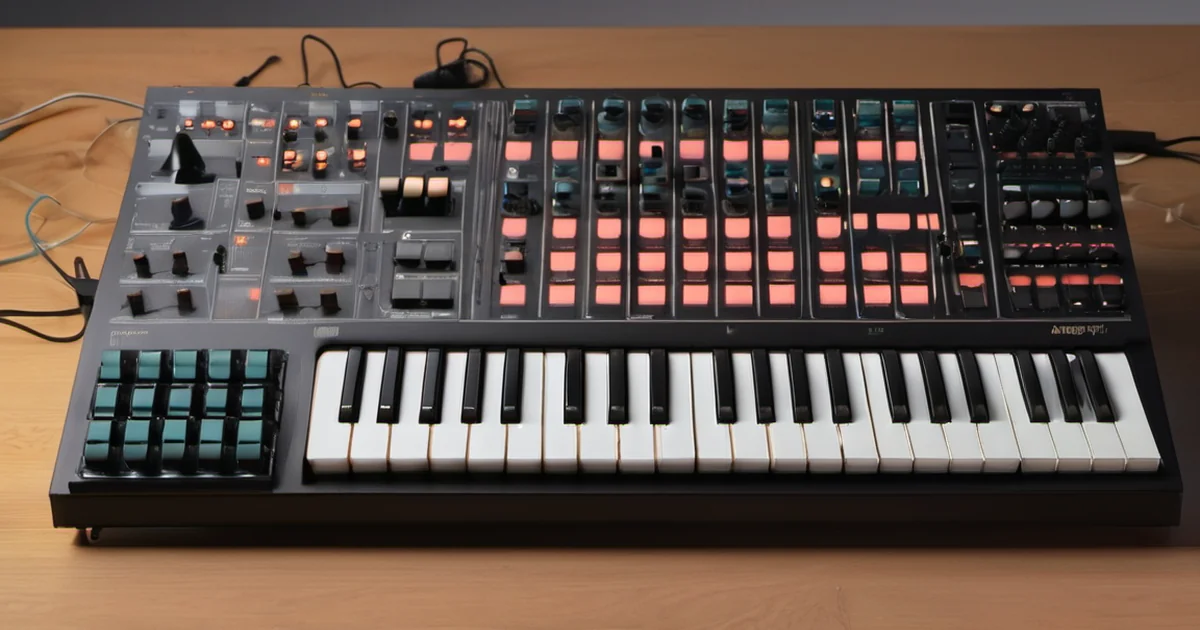
The Akai MPC Sample Key introduces several design and feature differences compared to the MPC Sample. According to exclusive details, the Sample Key is not focused on chopping up drum breaks, a key function of the MPC Sample. Instead, it appears to be tailored for pitched sample playback. The device retains many of the same controls as the MPC Sample, such as the three context-sensitive encoders and a large main encoder. However, the ‘chop’ button, which is central to the MPC Sample’s functionality, is absent on the Sample Key. In its place, the Sample Key includes buttons for adjusting the octave range of its 37-key keyboard, as well as buttons labeled ‘chord’ and ‘arp,’ which are likely used for chord playback and arpeggiator functions. These features suggest a shift in focus toward melodic and harmonic sample manipulation.
Additional Features and Integration Options
Akai’s MPC Sample Key introduces several new features and integration options aimed at expanding its utility for producers and performers. One notable addition is a dedicated looper, which could prove valuable for live performance and sound layering . Instead of the Flex Beat effects found on the original MPC Sample, the Key features a new effect called “Swarm,” though details about its functionality remain unclear . The device also retains the built-in microphone and speaker from its predecessor, offering an all-in-one solution for music production . While the back panel has not been revealed, front-facing configuration options hint at support for both MIDI and CV outputs, enabling integration with modular synthesizers .
Open-Source and Community Focus
Akai’s upcoming MPC Sample Key has generated significant interest within the music production community, partly due to the company’s commitment to open-source software. As teased on Instagram, Akai plans to open-source the software for the device, allowing modders and developers to customize and enhance its functionality. This move aligns with Akai’s broader strategy of fostering community-driven innovation. While details about the device’s launch date and price remain undisclosed, The Verge has obtained exclusive images that provide a glimpse into its design and potential capabilities. These images suggest a compact form factor and a focus on sampling and sequencing features. The open-source approach may encourage a vibrant ecosystem of third-party plugins and modifications, potentially expanding the device’s appeal beyond traditional music producers. However, the extent of community involvement and the timeline for software availability remain to be seen.
Sources and reporting notes
Based on published source material. No independent hands-on testing is claimed.



