Akai Introduces Open-Source MPC Sample Key for Modders
Akai is introducing the MPC Sample Key, a 37-key device with open-source firmware, allowing modders and developers to customize and expand its capabilities through community-driven innovation.
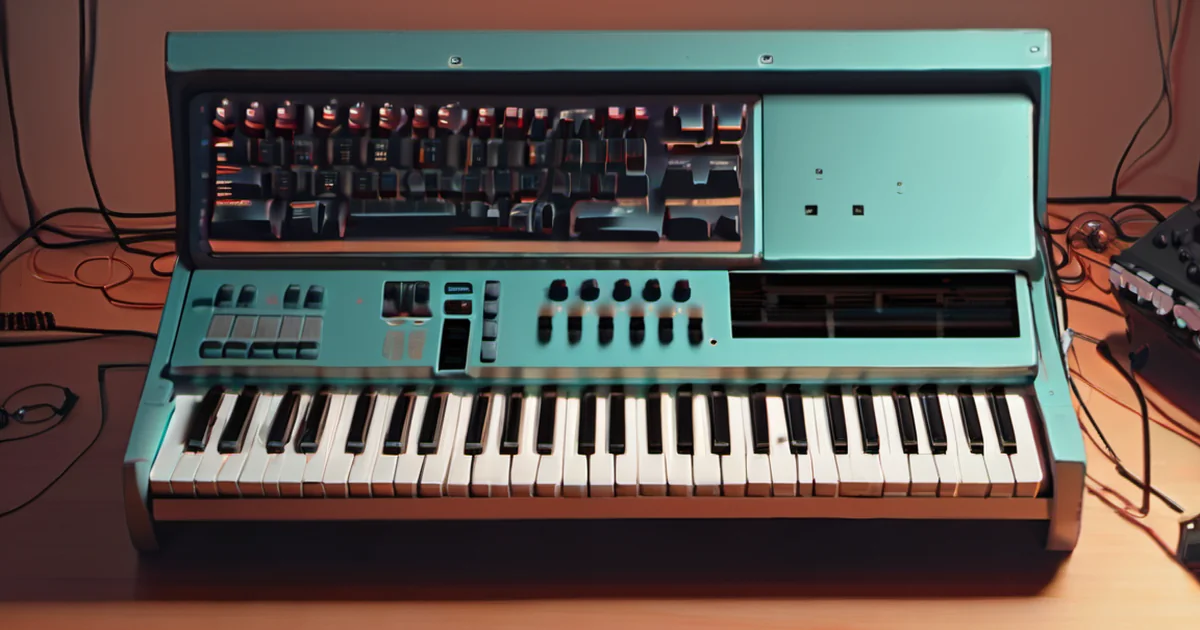
Introduction to the MPC Sample Key and Open-Source Firmware
Akai is embracing vibe-coded mods with an open-source MPC through the MPC Sample Key, a 37-key version of its budget-friendly MPC Sample. As noted by Terrence O'Brien, the device appears similar to the MPC Sample but replaces pads with keys. Akai has decided to embrace the explosion of hackers and custom firmware developers by giving them early access to the device, which will have open-source firmware. This move signals a shift toward greater customization and community-driven innovation, allowing users to tailor the MPC Sample Key to their specific needs. The open-source approach invites collaboration and experimentation, potentially expanding the device's capabilities beyond its original design. By providing early access, Akai acknowledges the growing influence of modders and developers in shaping the future of music production hardware.
Design Differences Between MPC Sample Key and MPC Key 37
The MPC Sample Key and MPC Key 37 differ significantly in their design and functionality. Unlike the higher-end MPC Key 37, however, the Sample Key doesn’t have pads, focusing instead on a more streamlined, keyboard-centric approach . It will likely run some version of the same software found on the MPC Sample, but with tweaks to accommodate the traditional keyboard, pitch, and mod wheels . The MPC Sample Key isn’t even formally announced yet, but Akai is already showing off what the modding community is cooking up through vibe coding . These differences highlight Akai’s strategy to cater to different user preferences, from those who rely on physical pads for performance to those who prioritize portability and keyboard-based workflows.
Vibe-Coded Mods and Community Contributions
Akai is embracing vibe-coded mods with an open-source MPC, as demonstrated in recent Instagram Reels. The videos show several vibe-coded modifications that add synths, including Native Instruments Massive, virtual analog, and FM synths, to the device. One clip even displays a custom OS running with "several different synths in it." According to the content, the same "community" features will be extended to the regular MPC Sample, which is also shown running a few vibe-coded synths built by Claude. These developments suggest that Akai may be planning to open-source the entire MPC Sample platform, as hinted in the videos. The community-driven approach allows users to contribute and customize the MPC experience, potentially expanding its capabilities beyond traditional hardware limitations.
Akai's Strategy for Engaging the Modding Community
Akai is embracing vibe-coded mods with an open-source MPC by actively engaging the modding community. According to CEO Jack O’Donnell, as reported by The Verge, inMusic brands, especially Akai, are looking to seed early devices to developers to foster innovation. This strategy includes open-sourcing some software and providing an SDK, which aims to lower barriers for creators and encourage the development of new features and applications. These efforts signal a shift toward greater collaboration with the modding community, allowing for more personalized and diverse experiences with Akai’s hardware. By making resources available to developers, Akai hopes to expand the ecosystem around its products and ensure that user-generated modifications remain a core part of the brand’s identity. This approach not only empowers developers but also strengthens Akai’s position in the evolving landscape of music production technology.
Sources and reporting notes
Based on published source material. No independent hands-on testing is claimed.



