AI Tamagotchi Hardware Resembles Meta's Muse Charm
The AI Tamagotchi project uses a Waveshare ESP32-S3 1.75C pendant, similar to Meta's Muse Charm, but lacks cameras and 5G, featuring voice interaction and Meta's open-source compatibility.
Hardware and Device Comparison
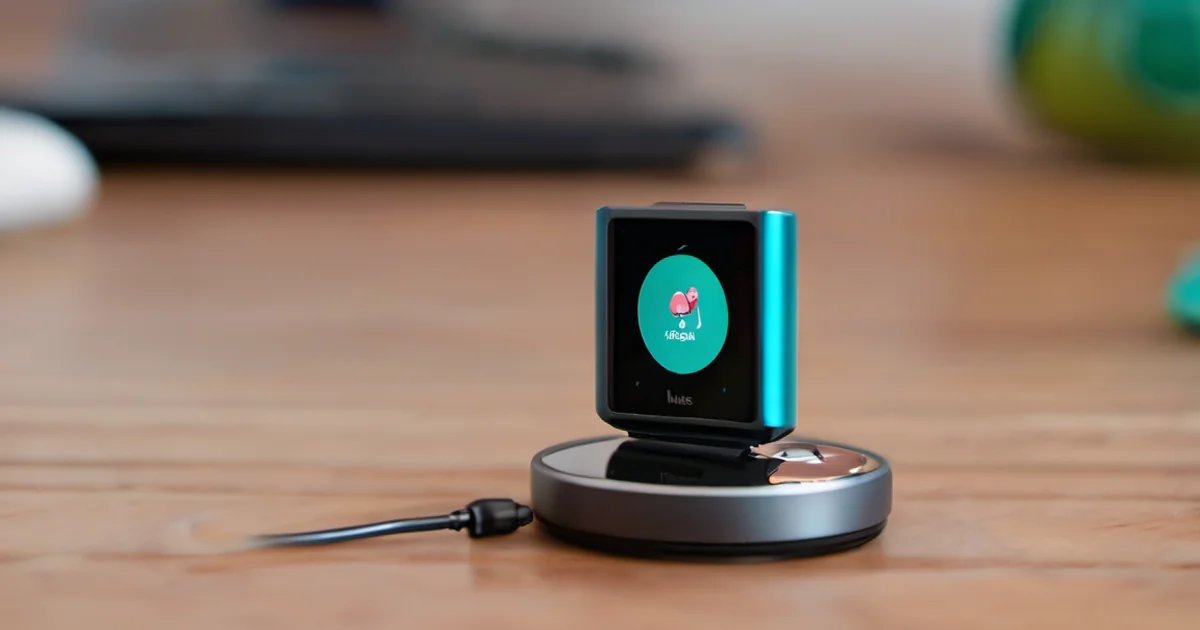
The hardware used in the AI Tamagotchi project closely resembles the Muse Charm, a device developed by Meta. The creator of the Tamagotchi built their version using a 1.75-inch touchscreen computer pendant, specifically the Waveshare ESP32-S3 1.75C, which was drop-shipped from China for $50. Unlike the Muse Charm, this version does not include cameras or a 5G cellular radio. However, it does support voice interaction and features cute avatars. The device is also compatible with Meta’s open-source code and tokens, allowing it to connect directly to the Muse AI cloud. According to the source, the hardware looks similar to a pocket watch and was even used to download and play video clips of Meta’s CEO introducing the Muse Charm.
Setup and Initial Challenges
Setup was easy enough — I just plugged it into my PC and pointed Claude at Meta’s GitHub, then paired it to the Muse phone app. But even after I put Meta’s keys on the device, Muse originally thought I was sending it audio clips to transcribe rather than commands. It was hard to tell what it was saying since it only showed a few words onscreen at a time, with no place to read full messages unless I whipped out my phone with its own Muse app. Meta’s build also only came with a single Jolly avatar that mostly just sat there and looked cute, and it wouldn’t automatically discover smart home gadgets like Amazon Echo or Google Home devices do. (This gadget really didn’t do anything useful after my initial install.) And though Meta AI software engineers Anant Narayanan and Jeremy Payne include a neat sample app showing how Muse Gadgets can stream video from your phone camera, the lack of a remote shutter button made it not so useful for taking photos.
Customization and Improvements
In the customization and improvements phase of building my AI Tamagotchi, I encountered several challenges that required quick fixes and enhancements. When I mentioned to Claude that I had trouble reading or hearing Muse’s responses, it promptly created a conversation history page where I could swipe through past interactions. Additionally, I integrated a British AI voice from ElevenLabs to enable Muse to speak its replies aloud. I also requested a variety of avatars similar to those showcased by Meta at Meta Connect, along with a Tamagotchi-style minigame that includes feeding, playing, sleeping, and bathing. When I noticed that I was accidentally releasing the push-to-talk button too soon, causing Muse to process incomplete audio, vibe coding resolved the issue by only sending audio longer than one second. The only noticeable lag I’ve experienced so far comes from Meta’s servers, which occasionally respond slowly.
Privacy and Security Concerns
Privacy and security concerns are central to the development of AI-driven devices like the AI Tamagotchi. While the project was built independently, the broader landscape of AI assistants—such as Meta’s Muse agent—raises red flags. As one developer noted, "Nor do I trust Meta or its Muse agent with my email or my home network, particularly after hearing how it leaked one reviewer’s home address." This highlights the risks of entrusting sensitive data to AI systems, even those developed by major tech companies. To mitigate these risks, the developer took precautions, such as placing the AI on guest Wi-Fi from the start. However, these measures do not fully address the underlying concerns about data handling and privacy. The developer acknowledges that the usefulness of such AI tools may vary, depending on the user’s technical expertise and willingness to accept potential risks.
Sources and reporting notes
Based on published source material. No independent hands-on testing is claimed.



