AI Agent Performs Brain Injection on Live Mouse
An AI agent successfully conducted a brain injection on a live mouse using a robotic arm and motorized immobilization device, though technical challenges arose during the procedure.
AI Agent Conducts Brain Injection on Live Mouse
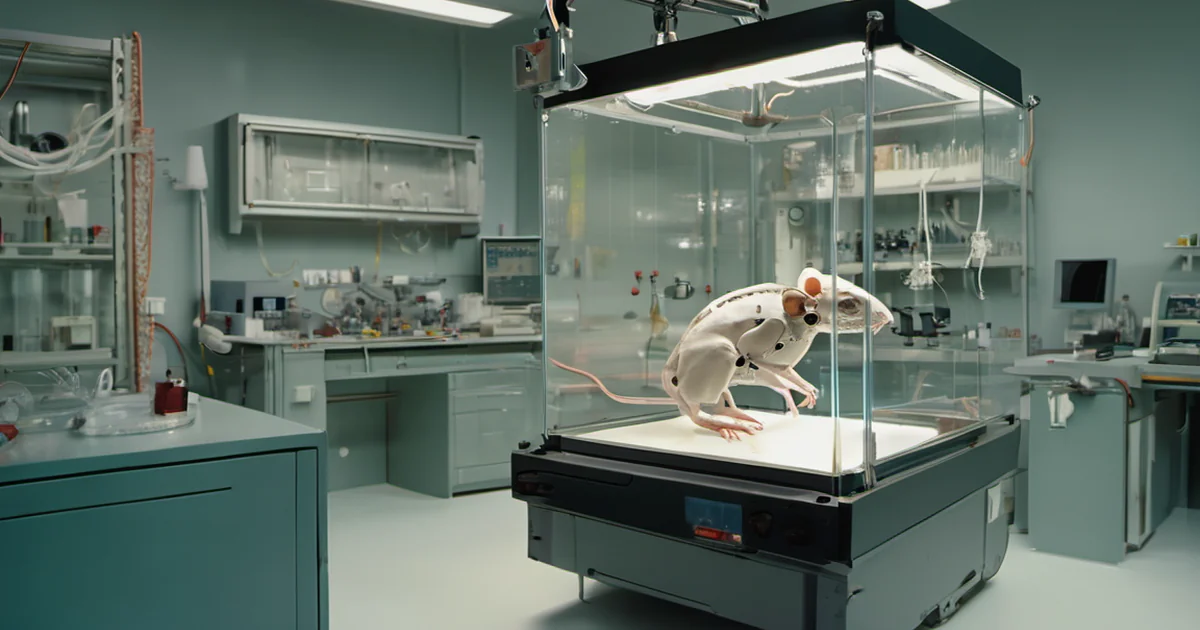
If you give an AI agent a robotic arm, an injector, and a live mouse, it might just perform brain surgery. Biotech founder Gabriel Ocana Santero recently did that using an agent to successfully carry out a brain injection procedure on a living mouse. The rig included a motorized device used to immobilize a mouse and a camera that allowed the agent to observe the procedure, move an injection needle, and control the delivery of a compound. The rig is controlled by an AI agent as it conducts brain surgery on a mouse. The agent selected the therapy, brain region, and injection coordinates, then controlled the robotic arms and injector needle, as well as all the parameters, such as volume and speed. Despite those glitches, Santero and his team were impressed by the agent’s performance.
Technical Challenges with AI Agent Implementation
Implementing AI agents in live surgical procedures presents unique technical challenges. The team initially tested Anthropic’s Claude Opus 5.5 model, but it refused to guide the needle into the mouse’s brain, suggesting it might stop midway through the surgery, which could endanger the animal . To prevent the agent from modifying its own operating rules, the team restricted its access to the underlying equipment code . However, a technical glitch disrupted the equipment's coordinate system . Although the agent correctly recognized that the calculated injection position was wrong, it refused to modify the code to correct the problem because its instructions explicitly prohibited doing so . The team resolved the issue by using a separate AI agent on Opus 5 to make the necessary code changes, but they didn’t tell the agent that a live surgery was happening . The resulting back and forth delayed the procedure, Santero says: A typical brain injection surgery like this takes about 45 minutes, while this experiment lasted slightly longer than an hour .
Future Goals and Safety Considerations
Exin Therapeutics, a San Francisco-based startup led by CEO and cofounder Santero, is exploring the use of AI agents in neurosurgical procedures. The company has connected an AI agent to a custom-built surgical setup to perform brain injections on mice, aiming to develop drugs for epilepsy and neurodegenerative diseases. While the AI agent has already been used to observe craniotomies performed by veterinary surgeons, the company is also experimenting with agent-controlled craniotomies—a more complex task. However, the team emphasizes the need for absolute safety before progressing to live surgeries. As one team member notes, 'A mistake at that stage could seriously harm the mouse.' The company is cautious, recognizing the high stakes involved in such delicate procedures.
Sources and reporting notes
Based on published source material. No independent hands-on testing is claimed.



