Adobe Explores AI-Driven 3D Environments and Character Design at Max Conference
Adobe showcased experimental AI tools at its Max conference that transform images into 3D environments and enable users to design AI characters through interactive conversations.
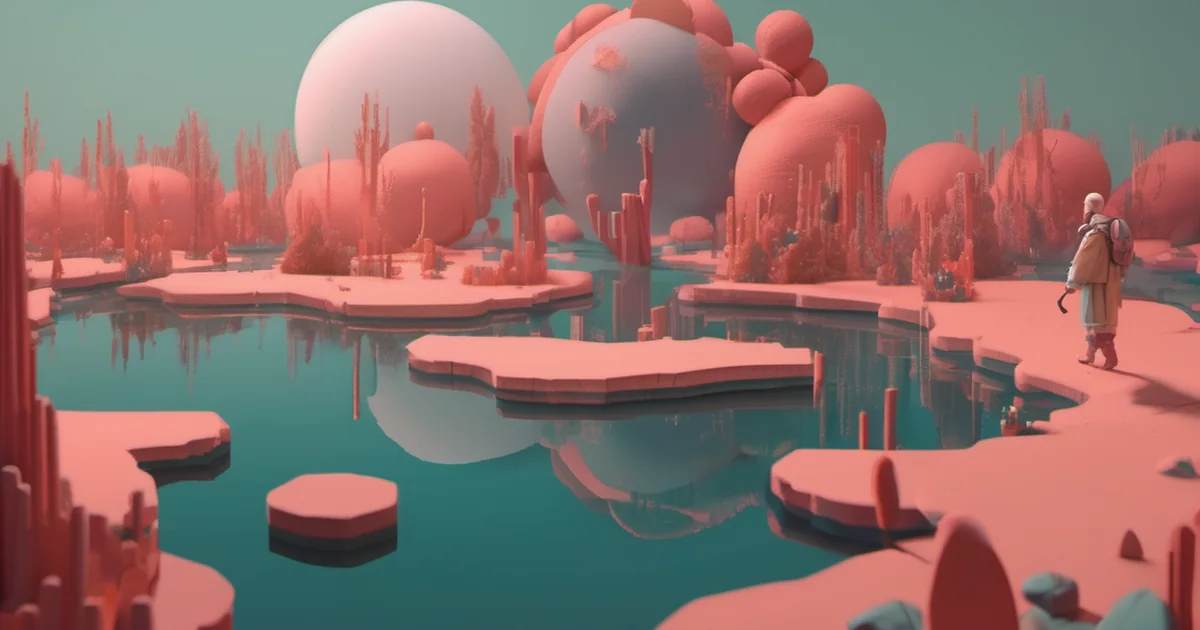
AI-Generated 3D Environments and Character Design
Adobe’s AI experiments at its Max conference include tools that transform images into explorable 3D environments and allow users to design AI characters by interacting with them. According to Adobe, these experimental features let users walk around in photos and engage in conversations with AI-generated characters to shape their personalities. While the 3D environments showcased are described as pixelated and ill-defined, Adobe notes that resolution quality is restored when users select a specific angle. These tools are part of Adobe’s ongoing research into AI-driven creative workflows and are not yet available to the public. The company emphasizes that these are experimental features and not fully developed products.
AI Audio Mixing with Project Sound Bender
Adobe’s Project Sound Bender is an AI audio mixing feature that lets users customize sound effects as if clicking a cursor around a color wheel. According to Adobe, the tool works by uploading a video clip and then describing the desired audio in a text prompt, such as “bubbling sci-fi cauldron noises.” Sound Bender then generates sound effects and automatically syncs them to the video, providing a square sound canvas for real-time adjustments. Users can drag their cursor around the canvas to select which noises stand out the most or customize each corner with different sound effects.
Copy/Paste Editing with Project Rinse Repeat
Adobe’s Project Rinse Repeat introduces a new way to streamline editing in Photoshop by allowing users to copy and paste edits across multiple subjects within the same image. For instance, if a user spends time airbrushing out acne or blemishes on one person, the tool can automatically apply similar adjustments to others in the same photo. This feature is particularly useful for editing group portraits or images with multiple subjects that require consistent touchups. According to Adobe, Rinse Repeat is built around Photoshop, ensuring that all edits remain fully editable using native tools. This means users retain full control over their work, even after applying automated adjustments. The technology highlights Adobe’s ongoing efforts to integrate AI into creative workflows while maintaining the flexibility and precision that Photoshop is known for.
Future Potential and Adobe’s AI Strategy
Adobe’s AI experiments, such as allowing users to walk around in photos and interact with characters, highlight the company’s focus on pushing the boundaries of generative AI. These “sneaks,” as Adobe calls them, are early tech previews that may eventually become part of Adobe’s Creative Cloud or Firefly platform, though there is no guarantee they will be officially launched. Almost all of these projects are built around Adobe’s generative AI developments, and with AI tools now central to the company’s growth strategy, it’s likely that at least some of these experiments will see an official release. According to senior principle Adobe research scientist Gautham Mysore, making these interactions more intuitive is also about giving experienced creatives more precise control.
Sources and reporting notes
Based on published source material. No independent hands-on testing is claimed.



